A graphic designer creates visual content that communicates ideas, promotes brands, and helps businesses connect with their target audience. They design logos, social media graphics, brochures, websites, advertisements, packaging, business cards, and other marketing materials using creativity, typography, color theory, and design software.
Whether you’re launching a startup or growing an established business, a graphic designer plays a vital role in creating a professional brand image that builds trust and attracts customers.
What Is a Graphic Designer?
A graphic designer is a creative professional who combines art, technology, and communication to produce visual designs that solve business problems. Their work is not just about making things look attractive—it is about delivering a message clearly and effectively.
Graphic designers work with businesses, agencies, entrepreneurs, and organizations to create designs that improve brand recognition, marketing performance, and customer engagement.
Vieo credits: deveshvinodsharma
What Does a Graphic Designer Do?
A graphic designer performs a wide range of creative tasks depending on the needs of a business. Their responsibilities often include:
1. Designing Logos
A logo is the face of a business. Graphic designers create unique and memorable logos that represent a company’s identity and values.
2. Creating Brand Identity
Beyond a logo, designers develop complete brand identities, including color palettes, typography, icons, and brand guidelines to ensure consistency across all platforms.
3. Designing Marketing Materials
Businesses need professionally designed marketing assets such as:
- Brochures
- Flyers
- Posters
- Business cards
- Banners
- Catalogs
- Company profiles
These materials help communicate products and services effectively.
4. Creating Social Media Graphics
Social media is highly visual. Graphic designers produce engaging graphics for platforms like Instagram, Facebook, LinkedIn, Pinterest, and X to increase visibility and audience interaction.
5. Website Graphics
Graphic designers create:
- Website banners
- Landing page visuals
- Icons
- Illustrations
- Infographics
- Call-to-action graphics
These elements improve user experience and support higher conversion rates.
6. Advertisement Design
Designers create visuals for:
- Google Ads
- Facebook Ads
- Display advertisements
- Print advertisements
- Magazine advertisements
- Billboards
Effective advertising design captures attention and encourages users to take action.
7. Packaging Design
Packaging often influences purchasing decisions. Graphic designers create attractive product packaging that reflects the brand while meeting printing requirements.
8. Presentation Design
Businesses frequently need professional presentations for clients, investors, and internal meetings. Designers transform ordinary slides into visually engaging presentations.
9. Infographic Design
Complex information becomes easier to understand through well-designed infographics that combine icons, illustrations, charts, and concise text.
Essential Skills of a Graphic Designer
Successful graphic designers combine creativity with technical expertise. Important skills include:
- Creative thinking
- Typography
- Color theory
- Layout design
- Branding
- Visual storytelling
- Communication skills
- Attention to detail
- Time management
- Problem-solving
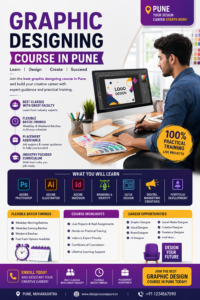
Tools Graphic Designers Use
Professional graphic designers commonly work with tools such as:
- Adobe Photoshop
- Adobe Illustrator
- Adobe InDesign
- Figma
- Canva
- Adobe Express
- CorelDRAW
- Sketch (for UI design)
The right tool depends on the project, but the designer’s understanding of design principles is what creates effective results.
Why Is Graphic Design Important for Businesses?
Professional graphic design helps businesses stand out in competitive markets.
Key benefits include:
- Builds brand credibility
- Creates a professional first impression
- Increases customer trust
- Improves marketing performance
- Strengthens brand recognition
- Boosts engagement on social media
- Supports higher conversion rates
- Makes complex information easier to understand
- Enhances user experience across digital and print materials
Good design is an investment in how customers perceive your business.
Industries That Hire Graphic Designers
Graphic designers work across many industries, including:
- Small businesses
- E-commerce
- Healthcare
- Real estate
- Restaurants
- Education
- Technology
- Manufacturing
- Construction
- Finance
- Travel and hospitality
- Nonprofit organizations
Almost every organization benefits from clear, consistent visual communication.
When Should You Hire a Graphic Designer?
You should consider hiring a graphic designer if you:
- Need a professional logo
- Are launching a new business
- Want to improve your branding
- Need marketing materials
- Plan to run advertising campaigns
- Want better social media content
- Need website graphics
- Want product packaging that stands out
- Are rebranding your business
Professional design can help create a stronger, more memorable presence in the market.
Freelance Graphic Designer vs. Design Agency
A freelance graphic designer is often a good fit for one-time projects or small businesses with limited budgets.
A design agency may be better suited for companies that need ongoing support, multiple specialists, and comprehensive branding or marketing services.
The right choice depends on your goals, budget, and project complexity.
How Graphic Design Helps Increase Sales
Graphic design influences customer decisions throughout the buying journey.
Professional visuals can:
- Capture attention quickly
- Communicate value clearly
- Strengthen brand trust
- Improve product presentation
- Encourage users to take action
- Support better marketing campaigns
- Increase customer engagement
Consistent, high-quality design helps businesses create a memorable experience that can contribute to improved lead generation and sales over time.
Frequently Asked Questions
What exactly does a graphic designer do?
A graphic designer creates visual content such as logos, advertisements, brochures, social media graphics, packaging, and website visuals to communicate messages effectively and strengthen a brand.
What skills should a graphic designer have?
A graphic designer should have creativity, typography knowledge, color theory, layout design, branding expertise, communication skills, and proficiency with modern design software.
Do small businesses need a graphic designer?
Yes. Professional design helps small businesses build credibility, improve brand recognition, and create marketing materials that attract potential customers.
What software do graphic designers use?
Popular tools include Adobe Photoshop, Adobe Illustrator, Adobe InDesign, Figma, Canva, Adobe Express, CorelDRAW, and Sketch.
Can a graphic designer help with social media?
Yes. Graphic designers create visually engaging posts, stories, banners, advertisements, and branded content that support stronger engagement and consistent branding.
Final Thoughts
Graphic designers do much more than create attractive visuals. They solve communication challenges through thoughtful design that supports branding, marketing, and customer engagement. From logos and packaging to websites and social media, professional graphic design helps businesses present themselves with clarity, consistency, and confidence.
Whether you’re launching a new venture or refining an existing brand, working with a skilled graphic designer can improve your visual identity and strengthen your connection with your audience.